+91 799 591 7995
Mon - Sat: 9:00am to 6:00pm

4th floor, ARD MAGNUM, Green Hills Road, Moosapet, Kukatpally, Hyderabad
+91 799 591 7995
Mon - Sat: 9:00am to 6:00pm
4th floor, ARD MAGNUM, Green Hills Road, Moosapet, Kukatpally, Hyderabad




Uveitis is also known as ocular inflammation. It refers to a condition where there is inflammation in the middle layer of the eye, called uvea. The inflammation can extend to the areas around the uvea like the retina, or the vitreous too.
Working of a normal eye is similar to that of a camera. In a normal eye where the lens is clear, the light enters through the lens and focuses on the thin film called the retina located at the back of the eye. This light is then captured by the eye and signals are sent to the brain to form the image that we see.
Uveitis is an autoimmune reaction to ocular antigens. It can be caused by a virus, parasite or bacteria. To diagnose Uveitis, the ophthalmologist will recommend some lab tests or image tests. However, the cause of Uveitis often goes unnoticed.
Depending upon the location of the inflammation Uveitis is categorized into four types:
There is no permanent cure for uveitis. Depending upon the cause, severity and location of the inflammation each episode is managed using eye drops, oral medication or injection under the eye.
To relieve the pain, eye drops are prescribed. The drops help to dilate the pupil and temporarily paralyze the sphincter muscle. While this may relieve the pain, the patient can develop farsightedness and experience increased discomfort in bright light. Hence, patients are advised to wear black glasses while going out during the daytime.
In case of inflammation, steroids are either injected or given in oral form as a tablet. An anti-inflammatory steroid hormone is slowly injected into the eye to provide relief. Immunosuppressants or oral drugs such as steroids are administered only in severe cases. Though these drugs have potential side effects, they are not very serious and the effects fade away once the treatment is discontinued.
Recurrence of uveitis is possible and its severity and frequency is unpredictable. But early diagnosis makes it easier to manage and leads to better outcomes.
Uveitis is inflammation of the middle layer of the eye, called the uvea. It can also affect nearby structures like the retina or vitreous. If not treated early, it may lead to blurred vision, light sensitivity and, in severe cases, permanent vision loss. That’s why timely diagnosis and treatment are very important.
An eye specialist usually diagnoses uveitis through a detailed eye examination using a slit lamp. In some cases, additional tests like blood investigations or imaging may be needed. These help identify the exact location and severity of the inflammation and check for underlying causes such as infections or autoimmune conditions.
Uveitis should be treated as urgent if you experience sudden eye pain, redness or reduced vision or notice many floaters or dark spots. If you have these symptoms, especially with a history of autoimmune disease or previous uveitis, you should see an eye specialist the same day.
Treatment typically starts with steroid eye drops or local injections to control inflammation. If the condition is severe or doesn’t improve, doctors may move to oral medications or immunosuppressants. This step-by-step approach helps control the disease effectively while minimizing side effects.
People with autoimmune diseases, certain infections or a history of eye injury are at higher risk. Regular follow-ups, early treatment of flare-ups and managing underlying health conditions can help reduce the chances of recurrence and protect long-term vision.
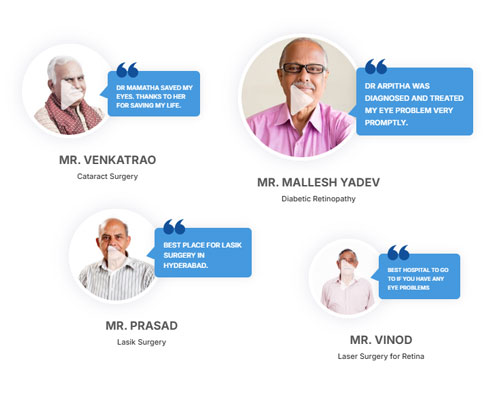
Our specialists at Thinkeye have treated over 35000+ patients and we have gained tens of thousands of loyal brand ambassadors over the decades. Listen to what our brand ambassadors have to say about our services…
I had the great experience with ThinkEye Hospitals. My father had laser cataract surgery without complication. Dr. Mamatha took good efforts to explain the procedure and everything is transparent. Friendly staff and...
I went for a second opinion to thinkeye... My initial though was to get a second opinion and go back to the first doctor for surgery. But Dr mamatha captured my trust...