+91 799 591 7995
Mon - Sat: 9:00am to 6:00pm

4th floor, ARD MAGNUM, Green Hills Road, Moosapet, Kukatpally, Hyderabad
+91 799 591 7995
Mon - Sat: 9:00am to 6:00pm
4th floor, ARD MAGNUM, Green Hills Road, Moosapet, Kukatpally, Hyderabad
Get your Customised Contact Lenses Now!
Book Appointment
Having a clear and 10/10 vision is crucial for a comfortable life. However, several people do need to undergo vision correction using glasses and other medical interventions. If you are tired of wearing glasses due to aesthetic or comfort reasons, contact lenses are the next best thing and Think Eye Hospitals can help you.
Much like your prescription for glasses, your ophthalmologist will prescribe you contact lenses too. Knowing about the contact lens, their examination process, and the types can help you choose the best option for your vision.
While you will come across multiple terminologies and categories of contact lenses, they are predominantly subdivided into two main types - the duration you can wear them for and the kind of eye conditions they correct.
The first category of contact lenses is dependent on the wearing pattern. Some can be worn daily, monthly, two weekly, and some even for extended wear. However, due to hygiene purposes, individuals are resorting to daily or monthly lenses.
These are the types of contact lenses that are worn to correct vision problems like presbyopia. They include multifocal lenses and toric lenses.
Contact lenses are a superior alternative to glasses and are a lot less invasive. They are prescribed for:
Much like how every patient with vision errors has their specifically prescribed glasses with unprecedented power, the same goes for the contact lenses. They are subjective and should only be made using an ophthalmologist's prescription.
Any kind of issues with the curvature of the contact lens or the shape will cause discomfort and even permanent damage to the eyes. So, your ophthalmologist will conduct a comprehensive examination to ensure the correct contact lens fitting.
The first step starts with the measurement of the eye's surface along with the curvature. A medical instrument, a keratometer, is used for the same.
Once the correct shape and size of the eyes are noted down, the next step is the tear film evaluation. The doctor will administer some fluorescein dye in your eyes and wait till your tear film in the eyewashes the dye out. The doctor notes down the time taken for the same. If your eyes don’t produce enough moisture, contact lenses might not be the best option for you.
The last step of the examination is evaluating the health of your cornea. The ophthalmologist will use a biomicroscope for the same. The instrument gives the doctor a better look at the eye's surface to evaluate any future changes with wearing contact lenses. The same device is also used in assessing the fit of the lenses to ensure proper alignment of the contact lens in the eyes.
Once the initial examination is done and your doctor has all the basic information and data written down, they will then write you a contact lens prescription that will help correct your vision error and be 100% comfortable for you to wear for multiple hours in a day.
Generally, the overall examination process takes between a day or two for the final contact lens fitting. After the prescription is written down, the patient will have to come back for annual eye check-ups.
Contact lenses are thin, clear discs that sit directly on the surface of your eye to correct vision problems like myopia (nearsightedness), hyperopia (farsightedness), astigmatism or presbyopia. They offer a more natural look compared to glasses and are a great option if you want more freedom during sports, work or social activities.
For myopia, standard soft spherical lenses are usually recommended. If you have astigmatism, you’ll likely need toric lenses, which are specially designed to correct the irregular shape of the cornea. An eye specialist will choose the right type based on your eye measurements, lifestyle and how long you plan to wear them each day.
A proper contact lens exam ensures that the lenses fit your eyes safely and comfortably. It measures your eye’s shape, curvature and tear film. An eye doctor will also check your corneal health and prescribe the correct power and material. This helps reduce the risk of irritation, infections and long-term eye problems that can happen with improper use.
After procedures like LASIK or corneal surgery, you can use contact lenses only once your eyes have fully healed and your doctor confirms it’s safe. In some cases, specialty lenses may be prescribed to improve vision further, especially if the cornea has an irregular shape after surgery.
People with severe dry eyes, frequent eye infections, allergies or certain corneal conditions may be advised to avoid contact lenses. Poor hygiene or improper use can lead to redness, discomfort, infections or even corneal damage. That’s why it’s important to follow proper care instructions and attend regular eye check-ups.
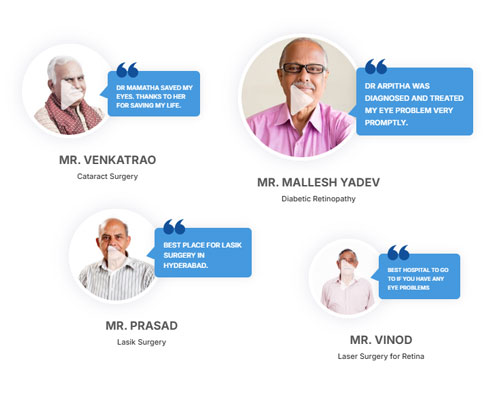
Our specialists at Think Eye have treated over 35000+ patients and we have gained tens of thousands of loyal brand ambassadors over the decades. Listen to what our brand ambassadors have to say about our services…
I had the great experience with Think Eye Hospitals. My father had laser cataract surgery without complication. Dr. Mamatha took good efforts to explain the procedure and everything is transparent. Friendly staff and...
I went for a second opinion to Think Eye... My initial though was to get a second opinion and go back to the first doctor for surgery. But Dr mamatha captured my trust...