+91 799 591 7995
Mon - Sat: 9:00am to 6:00pm

4th floor, ARD MAGNUM, Green Hills Road, Moosapet, Kukatpally, Hyderabad
+91 799 591 7995
Mon - Sat: 9:00am to 6:00pm
4th floor, ARD MAGNUM, Green Hills Road, Moosapet, Kukatpally, Hyderabad




Cryosurgery is a general stream of surgery that involves frigid temperatures to destroy the injured or damaged tissues at the site of surgery. Generally, the procedure uses liquid nitrogen or argon gas for the treatment.
In optometry, cryotherapy uses a transmission probe to freeze small spots around the retina to form pinpoint scars to reduce the impacts of damage and strengthen the retina. The ophthalmologists generally use minus 70 degrees centigrade for the surgery. The intense cold temperatures help seal retinal tears and reverse unwarranted damage inflicted to the retina.
Cryotherapy is a same-day procedure that is often done as an outpatient treatment. For the surgery, the surgeon first applies a topical anesthetic around the site of surgery followed by subconjunctival injection of lidocaine for local numbing of the area.
The surgery is then done under observation under an ophthalmoscope, and a probe is used to push liquid nitrogen around the retinal tear to fix them. Following the surgery, the treated eye is patched up for a few hours to prevent infections.
After the surgery, the patient is generally shifted to the recovery room to check on their progress and wait until the local anesthesia wears off. You might experience redness, swelling, and numbness around the treated eye, which prevails for 10-14 days.
Your vision will likely be blurred for a few days post-surgery; however, things start becoming clearer and better with the progressing recovery. The surgeon will prescribe the required pain relievers and other antibiotics to aid the recovery and healing process.
Cold compresses also relieve some of the pain and swelling in a short period. If you are getting cryosurgery for retinal detachment, make sure you consult your ophthalmologist about the degree of vision you might get back and how many sittings the treatment would require.
Since patients experience swelling and pain after the surgery, the surgeon will generally advise taking a day or two off work for complete rest. If the surgery involves rectifying retinal tears, the patient will have to rest for 10-14 days.
Some of the most common dos and don'ts after cryosurgery include:
Like any other surgical procedure, even cryosurgery comes with its fair share of risks and side effects. Although most side effects are temporary and tameable with the proper medications, knowing about them beforehand always helps with better precautions.
Some of the common risks include:
Cryosurgery is a procedure that uses extreme cold to create small, controlled scars around retinal tears or damaged areas. These scars help seal the tear and support the retina in place. It’s one of the treatment options used in advanced retinal care, especially for conditions like retinal tears and certain types of retinal detachment.
The main difference is how the treatment is applied. Cryosurgery works from the outside of the eye by freezing the affected area through the sclera, while laser treatment is done from inside the eye using focused light. Both methods are effective for treating retinal tears and the choice depends on the location and severity of the problem, as well as the specialist’s recommendation.
Cryosurgery is usually recommended when retinal tears are located in the peripheral (outer) areas of the retina or when laser treatment isn’t suitable or technically possible. In many cases, it may be part of a larger treatment plan that includes procedures like scleral buckling or vitreoretinal surgery.
Cryosurgery is typically done as an outpatient procedure using local anesthesia. After the treatment, your eye may be patched for a few hours. It’s normal to experience mild pain, redness or blurred vision for a few days. Your doctor will advise you to avoid heavy lifting, bending and strenuous activities for a couple of weeks to allow proper healing.
People with specific types of retinal tears or certain cases of retinal detachment are usually good candidates. However, the final decision depends on your overall eye health and the severity of the condition. A retina specialist will carefully evaluate your scans and recommend whether cryosurgery, laser treatment or another option is best for you.
Our specialists at Thinkeye have treated over 35000+ patients and we have gained tens of thousands of loyal brand ambassadors over the decades. Listen to what our brand ambassadors have to say about our services…
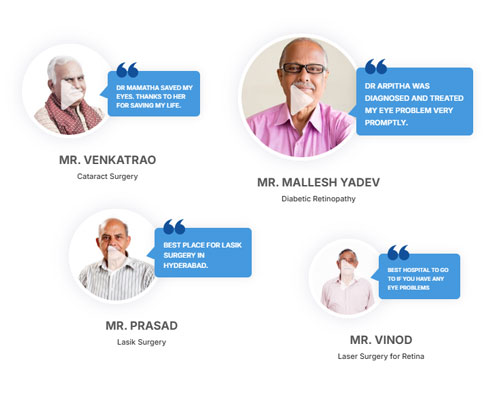
I had the great experience with ThinkEye Hospitals. My father had laser cataract surgery without complication. Dr. Mamatha took good efforts to explain the procedure and everything is transparent. Friendly staff and...
I went for a second opinion to thinkeye... My initial though was to get a second opinion and go back to the first doctor for surgery. But Dr mamatha captured my trust...