+91 799 591 7995
Mon - Sat: 9:00am to 6:00pm

4th floor, ARD MAGNUM, Green Hills Road, Moosapet, Kukatpally, Hyderabad
+91 799 591 7995
Mon - Sat: 9:00am to 6:00pm
4th floor, ARD MAGNUM, Green Hills Road, Moosapet, Kukatpally, Hyderabad




Laser treatment is one of the leading medical techniques used for treating retinal damages and diseases. In this procedure, a high-beam laser light is used to correct an eye condition. The beam focuses on the retina, keeping the surrounding areas untouched. The procedure can inflict temporary discomfort but is generally painless. Only patients with extremely low tolerance or anxiety are administered anaesthesia to tide them through the procedure.
You might need to under laser treatment for the following eye conditions.
Retinal damage or diseases are often undetectable till they reach advanced stages. There are situations wherein you wouldn't detect any signs of retinal damage unless you undergo a thorough and dilated retinal examination. At an advanced stage, a laser surgery would be the only resort to correct the condition.
To check if you need to undergo laser treatment or surgery, your ophthalmologist will conduct a particular diagnostic test named fluorescein angiography to evaluate the fluid and blood circulation in the retina and the eye, in general.
Laser surgery for eye treatments is minimally invasive and extremely quick. Once the procedure is done successfully, your retina specialist will advise you to rest your eyes and yourself for a day before you jump into your routine.
The doctor will suggest avoiding heavy-duty work or strenuous activities for a few days after the surgery to ensure optimal healing. Also, the patient needs to go back for a follow-up consultation a few weeks or a month after the surgery to check on the progress.
As for the impacts of the surgery on your vision, you might experience blurred vision for a few weeks after the surgery, but this complication is subjective and isn't visible in every patient. Some patients even report experience blind spots or hampered peripheral vision after the surgery.
The one question that every patient has before undergoing laser surgery is whether a single session is enough for the treatment. There is no standard answer to it. The number of sessions generally depends on the kind of disease or damage the patient is dealing with.
Most patients either require one or multiple sessions to correct the vision problems and prevent the risks of partial or complete loss of vision.
Laser surgery for the retina uses a focused beam of light to treat damaged or leaking blood vessels and small retinal tears without making any cuts in the eye. It helps prevent or slow down vision loss caused by conditions like diabetic retinopathy, retinal vein occlusion and certain types of macular degeneration.
Laser treatment is usually recommended after a detailed retinal examination. Tests like fluorescein angiography can detect leaks, swelling or tears in the retina. If you have diabetes, high blood pressure or notice sudden changes in your vision, your eye specialist may suggest this treatment to protect your eyesight.
Laser surgery is often preferred because it is minimally invasive, quick and usually done as an outpatient procedure. It can seal small tears, reduce fluid leakage and slow down disease progression helping many patients avoid more complex surgeries later.
Patients with very advanced retinal damage, dense bleeding inside the eye or certain severe eye conditions may not benefit from laser treatment alone. In such cases, other procedures may be required. Your retina specialist will guide you based on your specific condition.
Most people can go home the same day and return to light activities within a day or two. However, heavy work should be avoided for a few days. You may notice slightly blurry vision or small blind spots temporarily, but regular follow-up visits will help ensure proper healing and monitor your progress.
Our specialists at Thinkeye have treated over 35000+ patients and we have gained tens of thousands of loyal brand ambassadors over the decades. Listen to what our brand ambassadors have to say about our services…
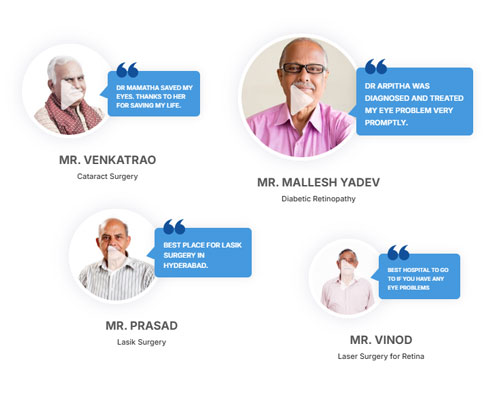
I had the great experience with ThinkEye Hospitals. My father had laser cataract surgery without complication. Dr. Mamatha took good efforts to explain the procedure and everything is transparent. Friendly staff and...
I went for a second opinion to thinkeye... My initial though was to get a second opinion and go back to the first doctor for surgery. But Dr mamatha captured my trust...