+91 799 591 7995
Mon - Sat: 9:00am to 6:00pm

4th floor, ARD MAGNUM, Green Hills Road, Moosapet, Kukatpally, Hyderabad
+91 799 591 7995
Mon - Sat: 9:00am to 6:00pm
4th floor, ARD MAGNUM, Green Hills Road, Moosapet, Kukatpally, Hyderabad




The retina is a thin layer of tissue that is attached to the back of the eyeball. Sudden impacts or injury can cause the retina to detach from the eyeball, resulting in loss of vision. Aside from injuries or post-operative complications, retinal detachment can also occur due to weakness of the tissues due to degeneration.
If you are expecting to experience pain when the retina detaches, that is not the case. In most cases, some of the warning signs include:
The scleral buckling surgery is a procedure done to re-fix the retina to the eyeball to restore vision in the patient. The surgery is either done under local or general anaesthesia, depending on the patient’s requirements.
As for the actual procedure, the ophthalmologist reattached the retina to the wall of the eyeball first using cryosurgery and then placing a permanent silicone patch (buckle) on the wall of the eyeball. The stitches are dissolvable, which means that they don’t have to be removed after recovery. Most of the patients show signs of progress and quick healing after one surgery. However, complicated cases might require multiple surgeries to restore clear vision. The patient has to stay in the hospital for a day or two for monitoring before they can be discharged. The recovery time after the surgery is estimated between 4-5 weeks.
Scleral Buckling surgery has an 85% success rate of permanent reattachment after the first surgery. Additional surgeries can further enhance the cure rate to 95% and ensure considerable improvement in the clarity of the vision. It is only in 5% of cases that the retina doesn’t reattach even after the surgery.
The retinal detachment surgery does impose several temporary complications like blurred vision, pain, red and swollen eye, and persistent mucus discharge. These side effects last for a few weeks and can be mitigated with proper prescription drugs. In some patients, they might experience near-sighted vision after the surgery, for which they need to wear glasses.
The majority (90%) of the cases are successfully done with the least number of complications. You might experience a minor hematoma or infection, but those are infrequent risks. Aside from the actual procedure and its complications, some patients might experience anesthesia-related side effects that the specialist will walk you through.
The first three months after the surgery is highly crucial for the patient. If the retina stays intact after the first three months, the chances of recurrence are only 10%, which is preventable. Also, developing a similar case of retinal detachment in the “healthy” eye is only 12% and rarely occurs.
Some patients have fragile and weak retina, which can eventually lead to holes or breaks. Early intervention in such cases can effectively reduce the risks of detachment using laser or cryosurgery. Also, undergoing routine dilated retinal examination can prevent the risks further.
Retinal detachment occurs when the thin layer of tissue at the back of the eye (the retina) pulls away from its normal position. This can cause sudden changes in vision. It’s considered a medical emergency because delaying treatment can lead to permanent vision loss. If you notice any warning signs, it’s important to see a retina specialist immediately.
The most common treatments include scleral buckling, vitrectomy and sometimes laser treatment or cryosurgery to seal retinal tears. The choice of treatment depends on the type and severity of the detachment, as well as your overall eye health. A specialist will recommend the most suitable option after evaluation.
You should seek urgent care if you suddenly notice an increase in floaters, flashes of light, a shadow or curtain over your vision or a loss of side (peripheral) vision. These are early warning signs and getting treatment quickly greatly improves the chances of saving your vision.
After surgery, it’s normal to experience blurred vision, mild discomfort and some redness for a few weeks. Vision usually improves gradually as the retina heals. You’ll be advised to avoid heavy lifting and strenuous activities and regular follow-up visits are important to monitor recovery and detect any recurrence early.
People with high myopia (severe nearsightedness), a history of eye injury or surgery or a family history of retinal problems are at higher risk. Regular eye check-ups and early treatment of retinal tears can significantly reduce the chances of developing a full retinal detachment.
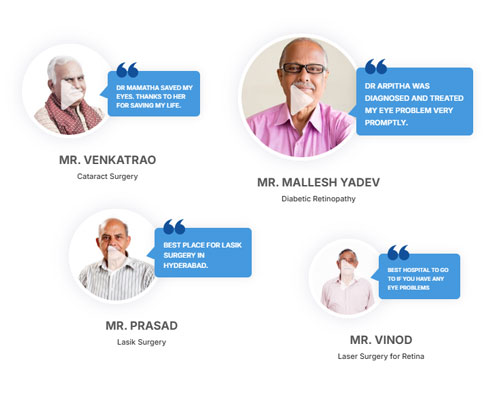
Our specialists at Thinkeye have treated over 35000+ patients and we have gained tens of thousands of loyal brand ambassadors over the decades. Listen to what our brand ambassadors have to say about our services…
I had the great experience with ThinkEye Hospitals. My father had laser cataract surgery without complication. Dr. Mamatha took good efforts to explain the procedure and everything is transparent. Friendly staff and...
I went for a second opinion to thinkeye... My initial though was to get a second opinion and go back to the first doctor for surgery. But Dr mamatha captured my trust...