+91 799 591 7995
Mon - Sat: 9:00am to 6:00pm

4th floor, ARD MAGNUM, Green Hills Road, Moosapet, Kukatpally, Hyderabad
+91 799 591 7995
Mon - Sat: 9:00am to 6:00pm
4th floor, ARD MAGNUM, Green Hills Road, Moosapet, Kukatpally, Hyderabad




In patients with high blood sugar levels, the retina is subjected to swelling and malfunctioning due to the leaking blood vessels. It is a progressive disease divided into four different stages: mild, moderate, severe, and proliferative. If you have diabetes, you must get your blood glucose levels checked now and then without fail.
Retinal diseases are tough to detect in the primitive stages since the symptoms aren't very profound until it reaches severe stages. In diabetic retinopathy, as the condition progresses, the patient might experience signs of:
Diabetes patients are often suggested to undergo routine eye check-ups every six months to a year to keep an eye out for their retinal health. If you suspect anything amiss with your vision, it is always advised that you seek medical help and undergo a comprehensive dilated retinal examination to check for any issues. If your vision suddenly becomes blurry or you see spots and black rings, it is time to book a consultation immediately.
The heightened blood sugar levels in the body directly impact the tiny blood vessels that supply blood and nutrients to the retina. Any lesion to these blood vessels causes fluid build-up and improper circulation that eventually leads to diabetic retinopathy.
However, since this is a progressive disease, the symptoms and causes often keep altering as it gets worse. One of the most common causes that leads to severe or proliferative diabetic retinopathy is ignoring the visible signs and symptoms.
Yes, not just the retina; diabetes can inadvertently affect other parts of the eye too. It can lead to glaucoma due to increased fluid pressure inside the eye, or it can cause clouding of the lens, medically known as a cataract.
Over time, the consistently high blood sugar levels can even take a toll on the blood vessels supplying the optic nerve, leading to weakness of the eye muscles and causing double vision.
Laser treatment is the best way to deal with diabetic retinopathy. The swelling in the middle part of the retina can be treated with one session of laser treatment. However, in patients with abnormal blood vessel growth, the patient needs to undergo extensive laser treatment, spanning two to three sessions for ideal results.
Laser treatment for diabetic retinopathy doesn't inflict severe complications or pain. However, some patients have complained about feeling a little discomfort in the eye during the procedure. Also, pain and blurry vision persist for 4-6 weeks after the treatment. Severe complications include mild or severe hemorrhage or retinal detachment.
While it is difficult to prevent diabetic retinopathy, early intervention can prevent the complications from getting worse. If you have uncontrolled blood sugar levels, talk to your healthcare provider first and ensure proper diabetes management. Get timely blood tests done along with routine eye check-up and pay attention to any vision changes.
Diabetic retinopathy is an eye condition caused by long-term high blood sugar, which damages the tiny blood vessels in the retina. Over time, these vessels can weaken, leak or become blocked. As the condition progresses from mild to severe stages, you may notice blurred vision, floaters, dark spots or even partial vision loss if it isn’t treated early.
Diabetes can silently damage your eyes for years without obvious symptoms. That’s why regular retinal check-ups are so important, they help detect problems early before vision is affected. Most people with diabetes are advised to get a dilated eye exam every 6 to 12 months to monitor for diabetic retinopathy and related conditions.
Diabetic retinopathy specifically occurs due to high blood sugar damaging the retinal blood vessels. Other conditions like glaucoma or cataracts have different causes and affect vision in different ways. However, diabetes can increase the risk of these conditions too, which is why a comprehensive eye examination is essential to identify and manage all issues together.
You should seek immediate medical attention if you suddenly experience blurred vision, a sudden increase in floaters, flashes of light or dark shadows in your side vision. These symptoms could indicate advanced diabetic retinopathy or even retinal detachment and early treatment can help protect your vision.
Treatment often includes laser therapy to seal leaking blood vessels and reduce swelling in the retina. Depending on the severity, multiple sessions may be needed. You might feel mild discomfort during the procedure and notice temporary blurred vision afterward. Along with treatment, maintaining good blood sugar control and attending regular follow-ups are key to preventing further damage.
Our specialists at Thinkeye have treated over 35000+ patients and we have gained tens of thousands of loyal brand ambassadors over the decades. Listen to what our brand ambassadors have to say about our services…
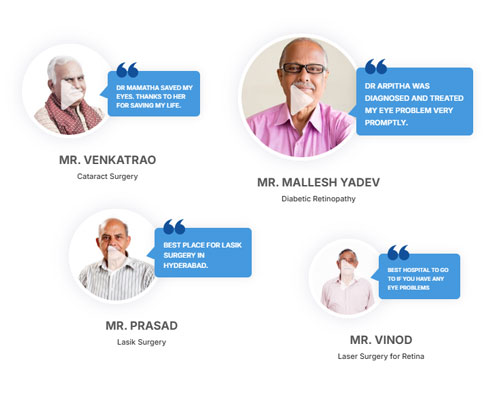
I had the great experience with ThinkEye Hospitals. My father had laser cataract surgery without complication. Dr. Mamatha took good efforts to explain the procedure and everything is transparent. Friendly staff and...
I went for a second opinion to thinkeye... My initial though was to get a second opinion and go back to the first doctor for surgery. But Dr mamatha captured my trust...