+91 799 591 7995
Mon - Sat: 9:00am to 6:00pm

4th floor, ARD MAGNUM, Green Hills Road, Moosapet, Kukatpally, Hyderabad
+91 799 591 7995
Mon - Sat: 9:00am to 6:00pm
4th floor, ARD MAGNUM, Green Hills Road, Moosapet, Kukatpally, Hyderabad
Your eyes are your window to the world. When your vision begins to blur, whether gradually or suddenly, it’s not just an inconvenience. It could be your body’s early warning signal for a wide range of underlying eye conditions, some of which may lead to permanent vision loss if left untreated.
In this post, let’s explore why blurred vision is never something to brush aside and how timely diagnosis and expert care can protect your eyesight for life.
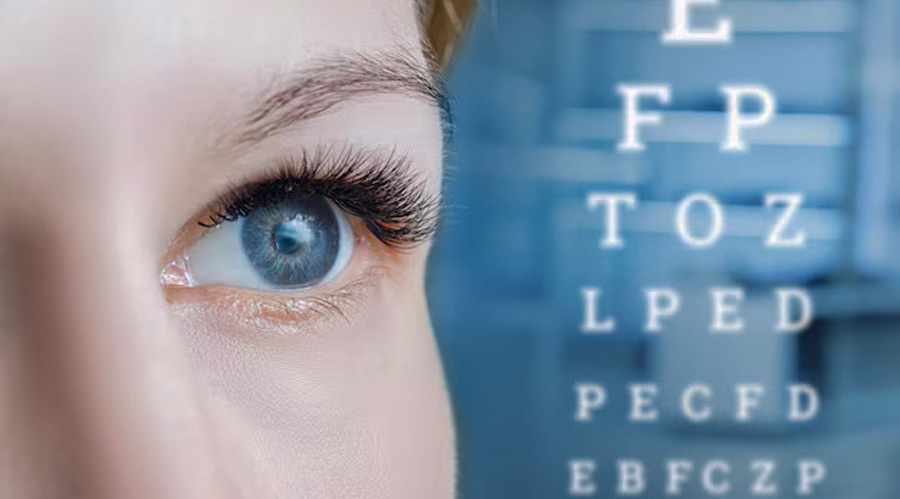
A lack of the eye's vision that causes objects to appear fuzzy or out of focus is known as blurred vision. It can affect one or both eyes and may be constant or intermittent. For some, it’s as simple as needing a new pair of glasses, but for others, it could be the first sign of something much more serious, like retinal disorders, glaucoma, or even neurological conditions.
Recognizing when blurred vision is more than just eye strain is critical.
Here are some frequent reasons why people experience blurry eyesight:
Sometimes, blurred vision can signal a medical emergency. Seek immediate care if it's accompanied by:
Not all blurred vision is created equal. Temporary blurriness after staring at screens can often be solved with rest, but chronic or progressive blurring can be the sign of something far more serious.
This is why you should consult the best eye hospital in Hyderabad, where experienced ophthalmologists use advanced diagnostic tools to detect subtle changes in the eye and offer comprehensive solutions from prescription drugs and vision correction to intricate surgical procedures like vitrectomy.
The process of the vitrectomy surgery involves removing the vitreous gel, the transparent gel that fills in the eye, and replacing it with a customized solution.
It’s commonly performed to treat:
With precise techniques and improved technologies, vitrectomy surgery in Hyderabad is now safer and more effective than ever, offering a real chance at restoring lost vision when done by skilled surgeons.
Ignoring changes in vision, even subtle ones, can lead to irreversible consequences. Your strongest protection against preserving lifelong vision clarity is routine eye exams and timely medical attention.
Whether it’s a prescription update or advanced retina treatment, getting help at the right time from qualified professionals can make all the difference.
Don’t wait until blurry vision impacts your quality of life. If you or a loved one are experiencing persistent or sudden vision problems, schedule a consultation at a trusted eye care center.
With skilled treatment from the medical professionals of Hyderabad's top eye hospital, you can regain your vision.
Blurred vision means things look unclear or out of focus. Sometimes it’s temporary, but it can also be a sign of an underlying eye problem. You should see an eye specialist right away if the blurring is sudden, getting worse or comes along with symptoms like pain, flashes of light, floaters or loss of side vision.
If blurred vision is due to eye strain or an outdated glasses prescription, it usually improves with rest or a change in lenses. But if the blurring is constant, uneven or associated with headaches, double vision or difficulty seeing at night, it could point to conditions like cataracts, glaucoma or retinal problems that need proper evaluation.
Sudden blurred vision can be a warning sign of serious conditions like retinal detachment, internal eye bleeding or severe glaucoma. These conditions can lead to permanent vision loss if not treated quickly, so immediate medical attention is important.
Common causes include refractive errors (needing glasses), cataracts, diabetic eye disease, age-related macular changes and problems affecting the retina or optic nerve. Each condition causes blurring in a different way, so a detailed eye examination is necessary to find the exact cause and decide on the right treatment.
Even mild or occasional blurring shouldn’t be ignored. Regular eye exams can detect early signs of conditions like cataracts, glaucoma or retinal changes before they become serious. This is especially important if you spend long hours on screens or have conditions like diabetes or high blood pressure.