+91 799 591 7995
Mon - Sat: 9:00am to 6:00pm

4th floor, ARD MAGNUM, Green Hills Road, Moosapet, Kukatpally, Hyderabad
+91 799 591 7995
Mon - Sat: 9:00am to 6:00pm
4th floor, ARD MAGNUM, Green Hills Road, Moosapet, Kukatpally, Hyderabad
Children explore the world with their eyes. Clear vision plays a vital role in learning, development, and confidence. That’s why spotting and treating eye issues early is essential for their overall growth. Whether it's squinting, frequent blinking, or eye rubbing, understanding when to act can make all the difference.
Let’s take a look at some of the most common eye problems in children, their warning signs, and how early intervention can protect your child’s future.
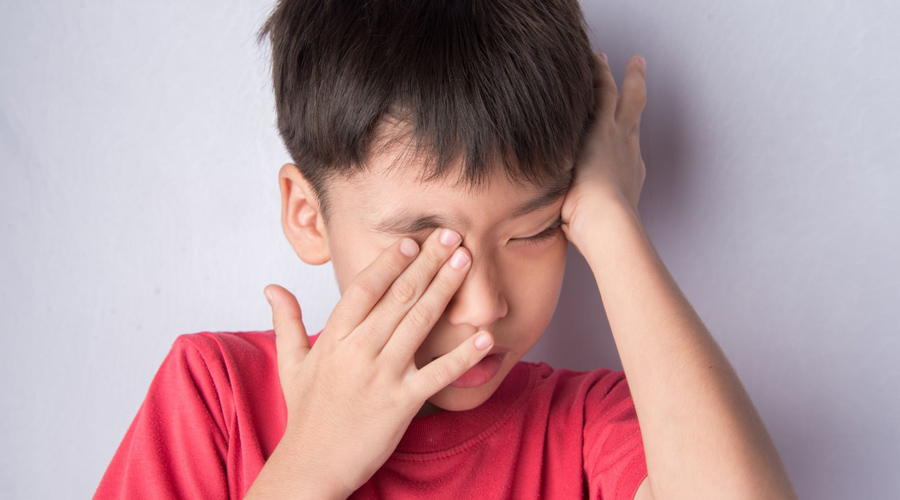
As a parent, trust your instincts. If your child:
Has misaligned or cloudy eyes… It’s time for a comprehensive eye exam.
At this stage, it’s crucial to consult with the best ophthalmologist in Moosapet, where expert pediatric eye care ensures your child receives a timely diagnosis and gentle, effective treatment.
Vision problems in childhood can affect learning, social interaction, and confidence. When identified early, many issues can be corrected or managed to prevent long-term vision loss. Regular eye screenings, especially before school begins, are key.
Give your child the advantage of healthy vision. Whether it’s their first eye test or a follow-up for a known condition, partnering with a trusted pediatric eye care specialist is the first step toward lifelong eye health.
Book an appointment today with a specialist your family can count on.
Some of the most common eye issues in children include refractive errors (like nearsightedness or farsightedness), crossed eyes (strabismus), lazy eye (amblyopia), blocked tear ducts and eye infections. If you notice your child blinking frequently, squinting, rubbing their eyes often or complaining of headaches, it’s a good idea to get their eyes checked early.
You should consult an eye specialist if your child sits too close to screens, holds books very close, covers one eye while reading or shows any visible eye misalignment or cloudiness. Other warning signs include frequent headaches, constant watering, redness or a drop in school performance that could be linked to vision problems.
Lazy eye or amblyopia, occurs when one eye is weaker because the brain starts relying more on the stronger eye. If it’s not treated during early childhood, it can lead to permanent vision loss in the weaker eye. Treatments like glasses, eye patching or vision therapy are most effective when started early.
It’s generally recommended that children have their first detailed eye examination between the ages of 3 and 5, even if there are no obvious symptoms. However, infants or younger children should be checked earlier if there’s a family history of eye problems or if you notice anything unusual about their eyes.
School screenings are helpful but can miss subtle or early-stage problems. A pediatric eye specialist is trained to detect conditions like strabismus, amblyopia and refractive errors more accurately. They can also guide you on the right treatment and monitor your child’s vision as they grow.