+91 799 591 7995
Mon - Sat: 9:00am to 6:00pm

4th floor, ARD MAGNUM, Green Hills Road, Moosapet, Kukatpally, Hyderabad
+91 799 591 7995
Mon - Sat: 9:00am to 6:00pm
4th floor, ARD MAGNUM, Green Hills Road, Moosapet, Kukatpally, Hyderabad
Contact lenses feel like freedom. No foggy glasses. No slipping frames. Just clear, natural vision right after you get out of bed.
But here is the question many people quietly ask: Are contact lenses safe for daily use?
The short answer? Yes- if used correctly.
The long answer? It is dependent on whether you adhere to the correct contact lens safety measures. Although the use of lenses is medically approved and common, inadequate care and improper use may greatly contribute to the risk of eye infection.
Let us break this down in a simple, practical and straightforward manner. You can protect your vision and have the convenience of contact lens safety every day.
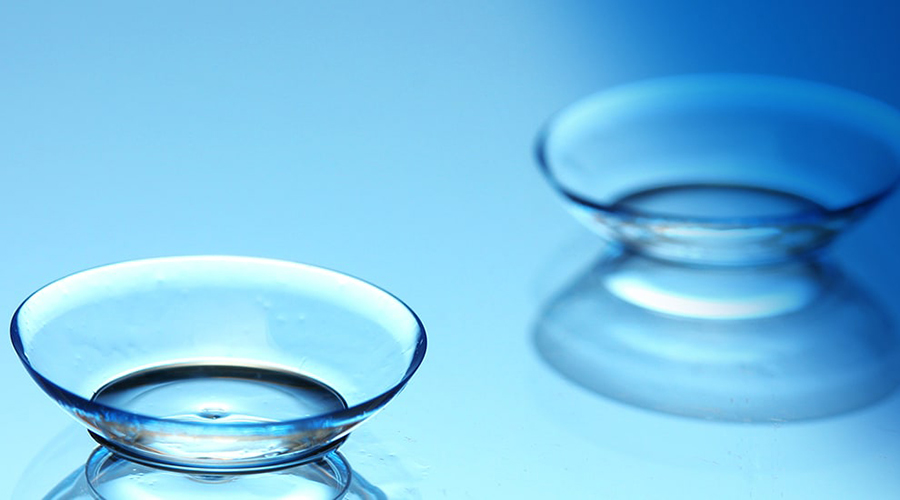
We shall begin with what to do.
Wash hands with light soap and use a lint-free towel before using your lenses.
This is an easy procedure that minimally lowers the risk of getting an eye infection.
This is one of the most popular reasons for bacterial contamination.
One-day lenses are used on a daily basis and monthly for 30 days.
Wearing longer than is recommended raises:
Although the lenses might feel good, they may be ruined in ways that are invisible.
If you use reusable:
These minor routines have a great effect on making it safe.
Sleeping in your contacts is never advised unless your doctor specifies.
Sleeping with them decreases the flow of oxygen to the cornea and increases the risk of eye infection by several times.
Diseases may manifest without symptoms. A routine examination might be considered to be a guarantee that:
Daily usages of the contact lens are much safer with professional monitoring.
Now let us discuss the general mistakes.
Water, even drinking water, may have microorganisms such as Acanthamoeba that are capable of causing serious infections.
Do not rinse cases with water. Sterile lens solution should always be used.
It is incredibly dangerous to share and place bacteria, viruses and fungi straight into the eye.
Your prescription is distinct and so is your eye shape.
Blurred vision, irritation, light sensitivity, discharge or redness are warning signs.
Take out the lenses as fast as possible and visit a specialist. Any deferral of care may aggravate infection within a short time.
The use of expired solutions also undermines the concept of sterility and increases the risk of contamination.
You can call it all-day comfort, but you have the rest of your eyes.
Alternate glasses to keep the eyes healthy in the long term.
Watch out for:
These symptoms are urgent medical cases.
Early intervention minimizes complications and helps in preserving your sight.
There are those who should be guided particularly before taking daily:
Individuals who develop eye infections frequently.
The following are the categories of people who need to consult an ophthalmologist before making a decision.
Good sight does not only relate to spectacles. It concerns your well-being.
Having a healthy lifestyle, including a balanced diet, hydration and sleep, is also beneficial to the eyes.
In fact, many systemic conditions affect the eyes. Discussions concerning general wellness, including topics like cancer prevention tips. the ways to minimize the risk of cancer and understanding the connection between lifestyle and cancer, as well as the single truth that prevention and awareness are important.
The Ultimate Ruling: Is It Safe?
Yes- There is no problem with contact lenses. when taken according to guidance and with responsibility.
The key lies in:
Your eyes are priceless. Your vision can be secured by a few minutes of good care every day.
If you are considering contact lenses or experiencing discomfort with your current lenses, consult experienced eye specialists at Think Eye Hospitals for proper evaluation and guidance.
As a professional, individually tailored guidance and regular checkups can help significantly decrease chances of eye infection and make sure that you remain as comfortable and clear as possible.
Book your eye appointment now and then your eyes will deserve expert care.
Wearing contact lenses daily is generally safe, but problems can occur if they’re used improperly. Wearing lenses for too long, sleeping in them or not cleaning them properly can increase the risk of infections, dryness, redness and discomfort. These issues are more common in people with dry eyes or allergies.
Good hygiene is key. Always wash your hands before handling lenses, use fresh solution and follow the recommended replacement schedule whether daily, weekly or monthly. In dusty or dry environments, it’s a good idea to switch to glasses occasionally, avoid wearing lenses when your eyes are irritated and get regular eye check-ups to ensure your eyes stay healthy.
Sleeping in contact lenses reduces the amount of oxygen reaching your cornea, which can increase the risk of serious infections like keratitis. Even if the lenses feel comfortable, most eye specialists strongly recommend removing them before going to bed unless specifically advised otherwise.
You should avoid contact lenses if you have an active eye infection, severe dry eyes, corneal injury or frequent allergies. In such cases, doctors may suggest switching to glasses or treating the underlying condition before considering contact lenses again.
People with chronic dry eyes, allergies or diabetes or those who work in dusty or air-conditioned environments need to be especially cautious. A proper contact lens consultation and following a strict cleaning and wearing routine can help keep your eyes safe and comfortable.