+91 799 591 7995
Mon - Sat: 9:00am to 6:00pm

4th floor, ARD MAGNUM, Green Hills Road, Moosapet, Kukatpally, Hyderabad
+91 799 591 7995
Mon - Sat: 9:00am to 6:00pm
4th floor, ARD MAGNUM, Green Hills Road, Moosapet, Kukatpally, Hyderabad
Are you sick of using spectacles or contact lenses to see well every single day? LASIK surgery has revolutionized vision correction, offering a safe and effective alternative for millions around the world. Whether you're nearsighted, farsighted, or have astigmatism, LASIK could help you regain clear, natural vision without the daily hassle.
In this guide, we’ll explore everything you need to know about LASIK surgery: how it works, its benefits, what to expect during recovery, and why choosing the right eye specialist matters for long-term visual success.
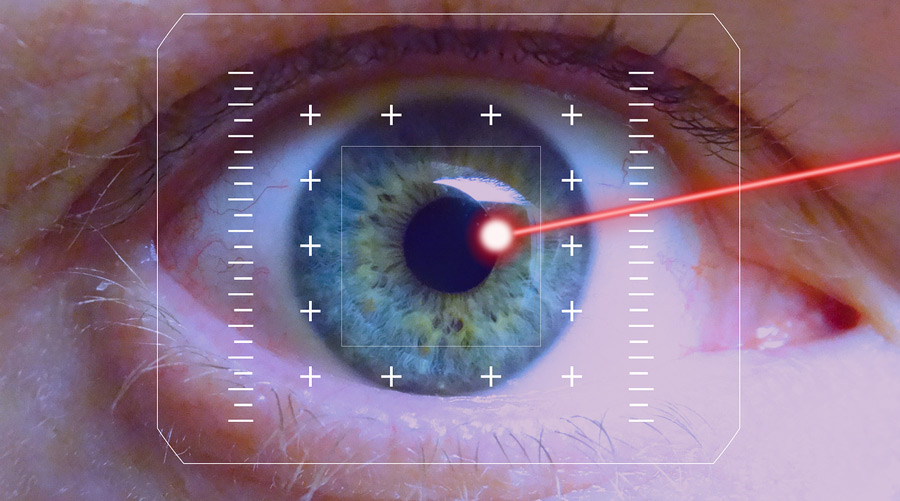
LASIK (Laser-Assisted In Situ Keratomileusis) is a popular refractive eye surgery that reshapes the cornea, the transparent front part of the eye, to improve how light rays are focused on the retina. Correcting common visual issues and limiting or doing entirely away with the need for contacts or spectacles are the aims.
The treatment is minimally invasive, takes simply a few minutes (generally 15 to 30 minutes for each of the eyes), and yields results in a matter of hours or days.
Choosing a skilled specialist for the best LASIK surgery in Moosapet ensures that you benefit from the latest techniques, highest safety standards, and personalized attention tailored to your unique eye structure.
LASIK is ideal for individuals aged 18 and above with a stable prescription. However, it’s not suitable for everyone. Conditions like severe dry eye, thin corneas, or certain autoimmune disorders may disqualify you.
It’s important to undergo a thorough eye exam to determine if you’re a candidate. In cases where LASIK isn’t ideal, other procedures like PRK or implantable lenses may be recommended.
Recovery is usually smooth and quick. Here's what to expect:
Light sensitivity, blurred vision, and mild discomfort tend to occur during the first 24 hours. Avoid rubbing your eyes.
First Week: Vision continues to improve. Follow all post-op care instructions, including using medicated drops and wearing eye shields.
First Month: You’ll attend follow-up visits to monitor healing. Vision typically stabilizes within a few weeks.
For the best healing, shield your eyes from dust, rainfall, and strong lights while recuperating.
Just as LASIK corrects refractive errors, other conditions like uveitis, an inflammation inside the eye, require highly specialized care. Uveitis can cause irreversible visual loss if treatment is not received. Choosing a facility that offers both refractive correction and medical eye treatments ensures you receive comprehensive eye care.
Suppose you or a loved one is dealing with serious eye inflammation. In that case, the best uveitis treatment in Hyderabad combines diagnostic precision with personalized medication plans to control flare-ups and protect your sight.
Whether you're considering vision correction or seeking relief from chronic eye issues, expert guidance makes all the difference.
LASIK is a laser procedure that reshapes the cornea to correct refractive errors like nearsightedness, farsightedness and astigmatism. For many people, it can significantly reduce or even eliminate the need for glasses or contact lenses, making daily life more comfortable and convenient.
You may be a suitable candidate if you are at least 18 years old, have had a stable vision prescription for about a year and do not have major eye conditions like severe dry eye or very thin corneas. A specialist will evaluate your corneal thickness, eye health and medical history to decide whether LASIK or another option like PRK is safer for you.
LASIK is often considered when glasses or contact lenses feel inconvenient or interfere with your lifestyle, especially during sports, work or travel. It is particularly helpful for people with mild to moderate refractive errors who want more freedom from daily dependence on corrective lenses while understanding the procedure and recovery involved.
LASIK is a quick outpatient procedure. Your eyes are numbed with drops, a thin flap is created on the cornea and a laser reshapes the underlying tissue within minutes. After the procedure, your vision may be slightly blurry or hazy and your eyes may feel dry or sensitive to light. Most people notice clearer vision within a day or two and return to normal activities within a few days by following their doctor’s instructions.
Specialized LASIK centers offer advanced diagnostic tools, more precise treatment planning and greater experience in handling complex cases. They can also evaluate and manage related issues like uveitis, dry eye or contact lens-related problems, ensuring more comprehensive eye care under one roof.