+91 799 591 7995
Mon - Sat: 9:00am to 6:00pm

4th floor, ARD MAGNUM, Green Hills Road, Moosapet, Kukatpally, Hyderabad
+91 799 591 7995
Mon - Sat: 9:00am to 6:00pm
4th floor, ARD MAGNUM, Green Hills Road, Moosapet, Kukatpally, Hyderabad




Low vision is the condition in which a person suffers from vision impairments that cannot be rectified through corrective surgery. Some low vision conditions are color blindness, low contrast sensitivity, decreased visual acuity, and visual field defect.
Low vision has many implications for an individual. It not only restricts their physical movement but also limits social mobility. This has multiple long-term consequences for affected people of all age groups, affecting their physical, psychological, educational, and economic growth.
If a person is unable to perceive objects in their surroundings due to low vision or is unable to carry out daily tasks that they need to complete, such as reading, working on a computer screen, or finishing daily chores, it means they are affected by low vision and need vision rehabilitation therapy.
People with low vision are at an increased risk of low physical and psychological health because of the high risk of accidents and emotional difficulties. Conventional medical or surgical treatments might not always be successful in preventing or restoring vision loss. Therefore, a combination of low-vision devices, customized counseling, and learning daily living and work-related skills helps to enable people with low vision and blindness to be empowered, and become important contributing members of society, and enjoy a better quality of life.
The various steps through which low-vision therapy is administered include:
The purpose of low vision therapy is to develop strategies through which a person's diminished sight is either maximized or substituted for to maintain their sense of self-worth and independence. This is done not just through low-vision devices but through a combination of identifying goals, introducing assistive devices, and training. Only after proper evaluation and training is the need for an assistive device gauged and fulfilled.
A good program for vision rehabilitation must cater to the unique needs of a person and provide education, support groups, and counseling therapy by occupational therapists.
Advanced vision rehabilitation is a structured program designed to help people with low vision make the best use of their remaining eyesight. It involves training and assistive devices that improve daily activities like reading, moving around safely and using digital screens. It’s especially helpful for those whose vision cannot be fully restored with glasses, medications or surgery.
Regular eye treatments aim to cure or control eye diseases, while vision rehabilitation focuses on improving how you function with the vision you currently have. It works alongside medical care, especially for conditions where complete vision recovery isn’t possible, helping patients maintain independence in their daily lives.
You should consider vision rehabilitation if everyday tasks like reading, cooking, recognizing faces or using a phone, become difficult even with glasses or treatment. If you find it challenging to navigate crowded places or use digital devices, a low-vision assessment can be very helpful.
For children, it supports learning, reading and social development. For older adults, it helps maintain independence and reduces the risk of falls or accidents. These programs often include mobility training, assistive devices and counseling to improve overall quality of life at any age.
People with conditions like advanced retinal diseases, glaucoma, high myopia or inherited eye disorders that lead to permanent vision loss can benefit the most. A specialist will assess your daily needs and create a personalized plan using tools like magnifiers, better lighting and adaptive techniques to help you live more confidently.
Our specialists at Thinkeye have treated over 35000+ patients and we have gained tens of thousands of loyal brand ambassadors over the decades. Listen to what our brand ambassadors have to say about our services…
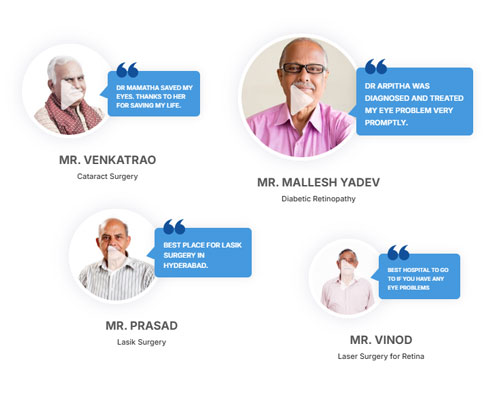
I had the great experience with ThinkEye Hospitals. My father had laser cataract surgery without complication. Dr. Mamatha took good efforts to explain the procedure and everything is transparent. Friendly staff and...
I went for a second opinion to thinkeye... My initial though was to get a second opinion and go back to the first doctor for surgery. But Dr mamatha captured my trust...